GCP Posture Automation
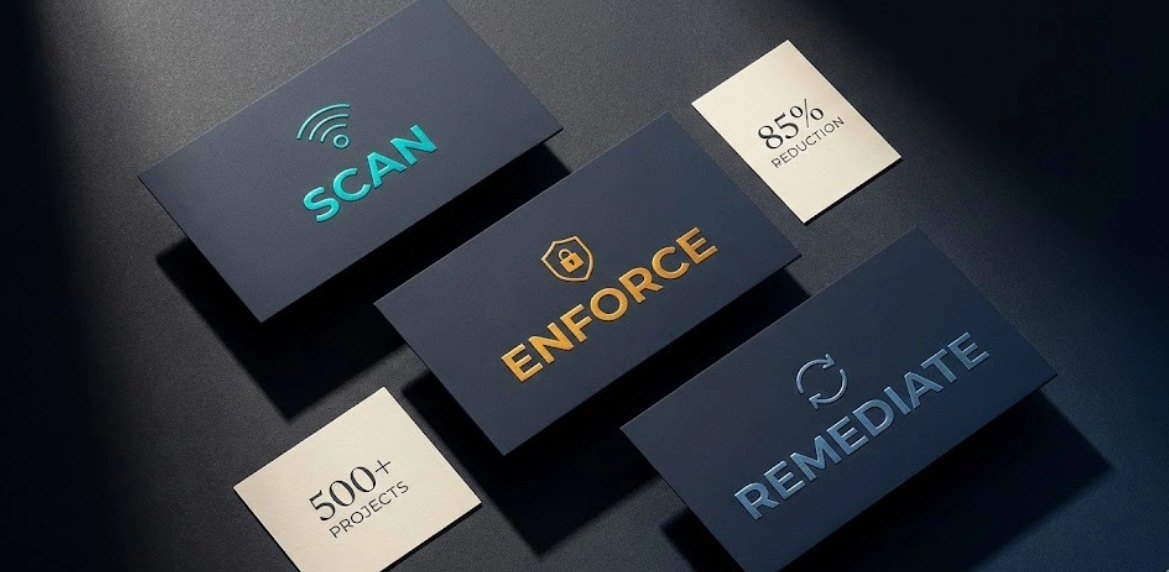
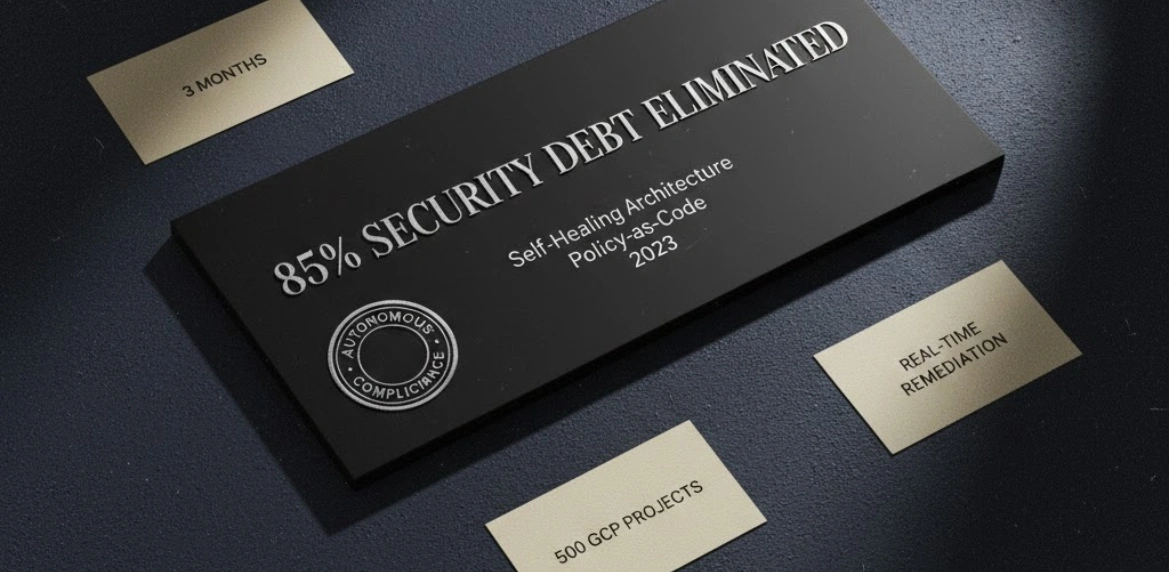
500 GCP projects. Developers shipping fast. Security configs all over the place. The manual audit backlog was 3 months deep, and by the time we'd find an issue, ten more had been deployed. You can't secure what you can't see, and you definitely can't scale security by having humans chase configuration drift. We needed the system to secure itself. I built an automated posture management platform using Security Command Center and Cloud Asset Inventory. Every resource change triggered evaluation against our security policies. Public buckets, overly permissive IAM, disabled logging—the system caught it all in real-time. The key was making it self-healing instead of just generating more tickets. Storage bucket goes public? System locks it down automatically and notifies the owner. Someone grants excessive IAM permissions? System reverts to least-privilege and documents why. Logging gets disabled? System force-enables it and flags the project for review. We implemented policy-as-code using OPA so security requirements lived in version control alongside infrastructure code. Terraform plans that violated policy got rejected before they could deploy. This shifted security left—developers got instant feedback instead of finding out weeks later they'd created a compliance nightmare. Built dashboards showing security posture trends, compliance drift, and who was creating the most risk. Turned out 80% of issues came from 20% of teams. We focused education and guardrails there first. 3 months in, security debt dropped 85%. The company passed enterprise security audits that used to be nightmares. More importantly, developers stopped seeing security as the team that says "no" and started seeing it as automated guardrails that let them ship faster safely.
Client
SaaS Unicorn
Deliverables
Continuous scanning
Policy enforcement
Automated remediation
Compliance reporting
Year
2023
Role
Cloud Security Architect