Zero-Trust K8s Rebuild
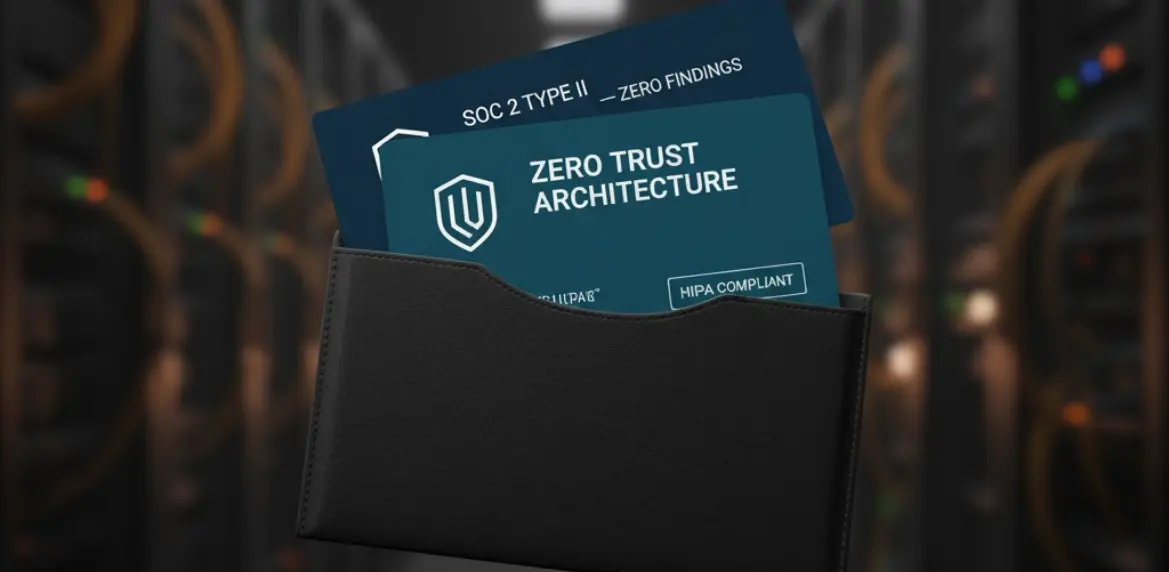
They were running Kubernetes like it was 2015. Default configurations everywhere. Containers with root access. Secrets shared across namespaces. Any compromised pod could reach anything in the cluster. Their Series B investors took one look at the security setup and nearly walked. HIPAA compliance was a mess.They needed enterprise security without killing their velocity, and they needed it in weeks, not months. We rebuilt everything around zero-trust principles. Every microservice got its own cryptographic identity using Istio service mesh. Services could only talk to explicitly allowed destinations—no more east-west traffic free for-all. Mutual TLS everywhere, so even if someone got into the network, they couldn't impersonate legitimate services. I integrated Trivy scans into their CI/CD pipeline. Any image with critical vulnerabilities got rejected before it could deploy. Added Falco for runtime detection—if a container suddenly started doing something weird like spawning shells or making unexpected network connections, it got quarantined automatically. For compliance, I set up automated evidence collection. Instead of manually gathering logs and screenshots for auditors, the system generated everything they needed. They passed SOC 2 Type II on the first attempt with zero findings. The security posture became a selling point in their pitch deck, and they closed the Series B 3 weeks later.
Client
Healthcare Tech Startup
Deliverables
Network microsegmentation
Identity-based access
Runtime monitoring
Compliance automation
Year
2024
Role
Security Lead