Container Runtime Defense
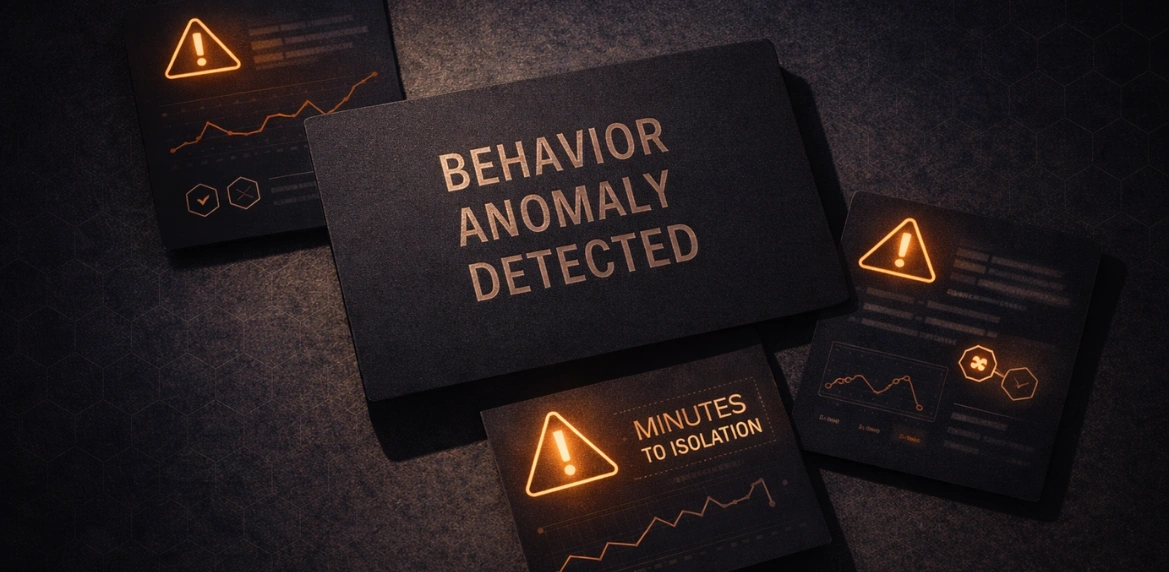
They assumed once a container image passed security scanning, it was safe forever. But attackers don't care about your scan results from last week. They exploit applications at runtime, in memory, after all your gates have passed them through. 800 pods running production workloads, and we had zero visibility into what they were actually doing. A compromised container could be mining crypto, exfiltrating data, or pivoting to other systems, and we'd only find out when the damage was done. I deployed Falco with custom eBPF probes watching kernel-level behavior. Not just "is this process running,"but "is this process doing something it shouldn't." Things like a web server suddenly spawning a shell, or a database container making outbound connections to weird IPs, or privilege escalation attempts. The system learned normal behavior patterns for each workload. When something deviated—like a container that usually just serves HTTP suddenly trying to access the filesystem or scan the network—it would flag it immediately and trigger automated isolation. I set up forensic capture that would snapshot the container's memory and filesystem the instant we detected suspicious activity. This preserved evidence before the attacker could clean up, which became critical when we discovered an actual breach. Turns out one of their third-party dependencies had been compromised. Traditional security tools missed it because the malicious code only activated days after deployment. Our runtime monitoring caught it within minutes of the attack starting because the container's behavior suddenly changed. The automated response isolated the infected pods, preserved forensics, and alerted the team before any data left the network. What could have been a major breach turned into a contained incident with full evidence for remediation.
Client
E-Commerce Platform
Deliverables
Behavior monitoring
Anomaly detection
Threat isolation
Forensic capture
Year
2024
Role
Security Consultant