Cloud Identity Security
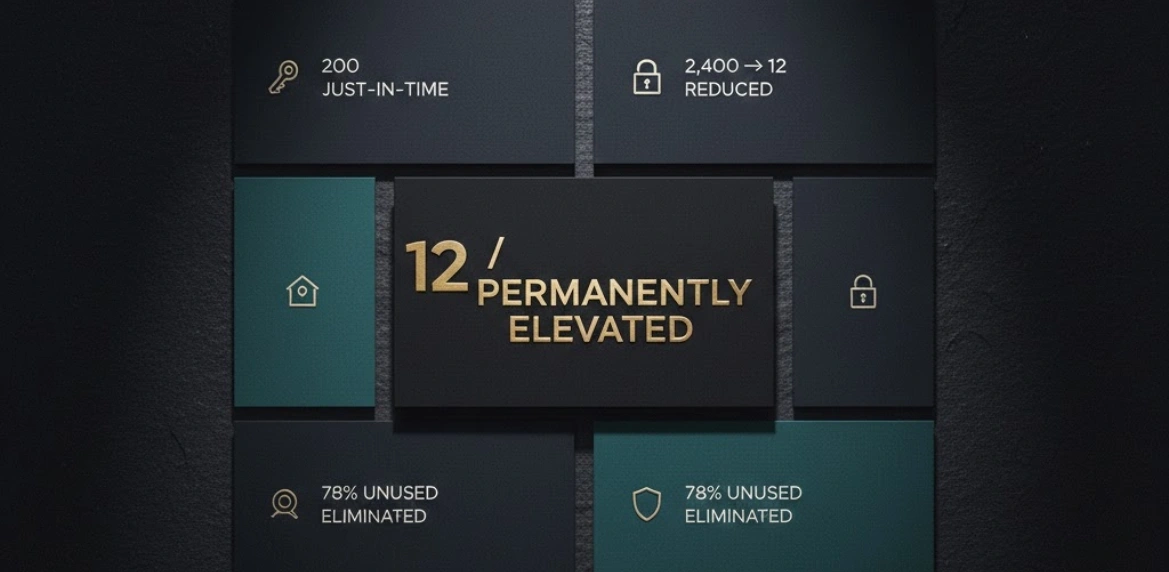
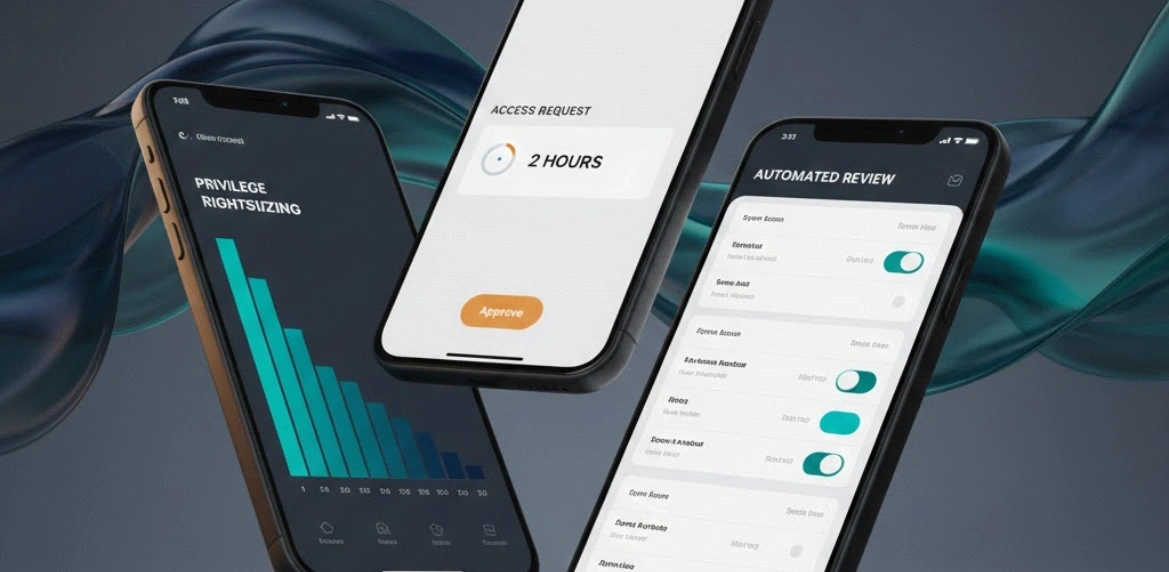
Classic cloud security problem: everyone had way more permissions than they needed. Developers with admin access "just in case." Service accounts that could access everything. The blast radius of any compromised credential was basically the entire environment. When everyone's an admin, nobody's an admin—you've just given attackers the keys to everything. I started with an audit that made people uncomfortable. Turns out 78% of IAM permissions were never actually used. People got access for a one-time task two years ago and just kept it. Service accounts created for testing were still running in production with full admin rights. We implemented least-privilege from scratch. Used Cloud Asset Inventory to track actual resource usage and Policy Intelligence to find unused permissions. Then automated rightsizing—if you haven't used a permission in 90 days, you lose it. People could request it back if they needed it, but they had to justify why. Just-in-time access was the game changer. Instead of permanent admin rights, people got time-limited elevation that expired automatically. Need to debug production? Request elevated access, get it for 2 hours, system revokes it automatically when the window closes. Built automated access reviews where managers got monthly reports of what their team could do versus what they were doing. Made it dead simple to revoke unnecessary access with one click. The attack surface reduction was dramatic. Went from 2,400 identities with admin-equivalent permissions to 12 with permanently elevated access and 200 with just-in-time elevation as needed. Compromised credentials went from "complete breach" to "limited incident." Failed an internal red team exercise before the project. Passed it after with the red team unable to escalate privileges or move laterally even after initial compromise.
Client
Media Streaming Company
Deliverables
Privilege rightsizing
Just-in-time access
Automated reviews
Attack surface reduction
Year
2025
Role
IAM Security Architect