Multi-Cloud Security Unification
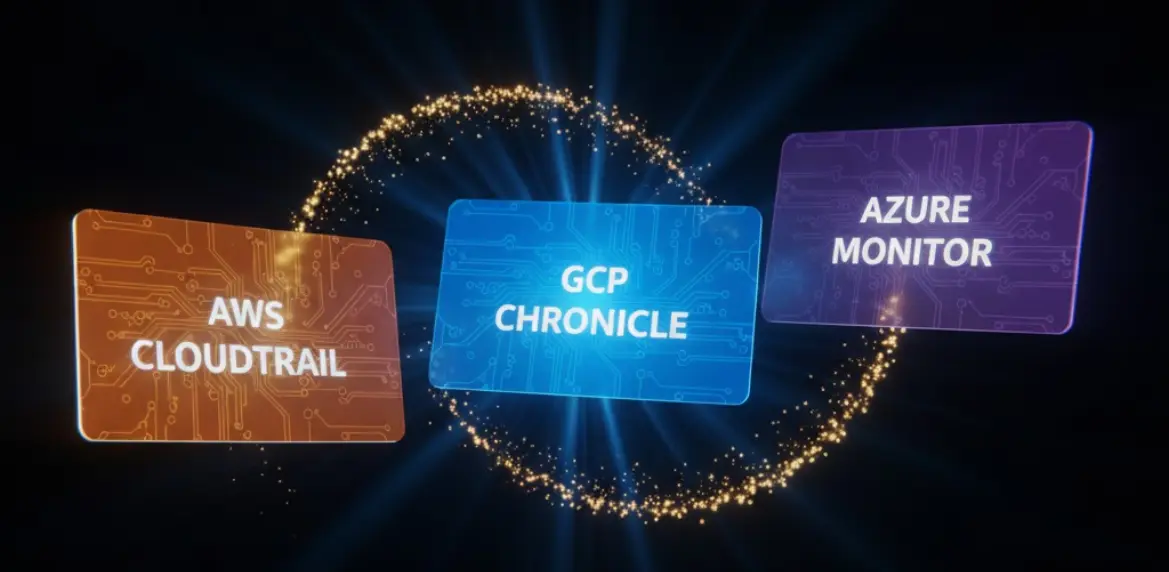
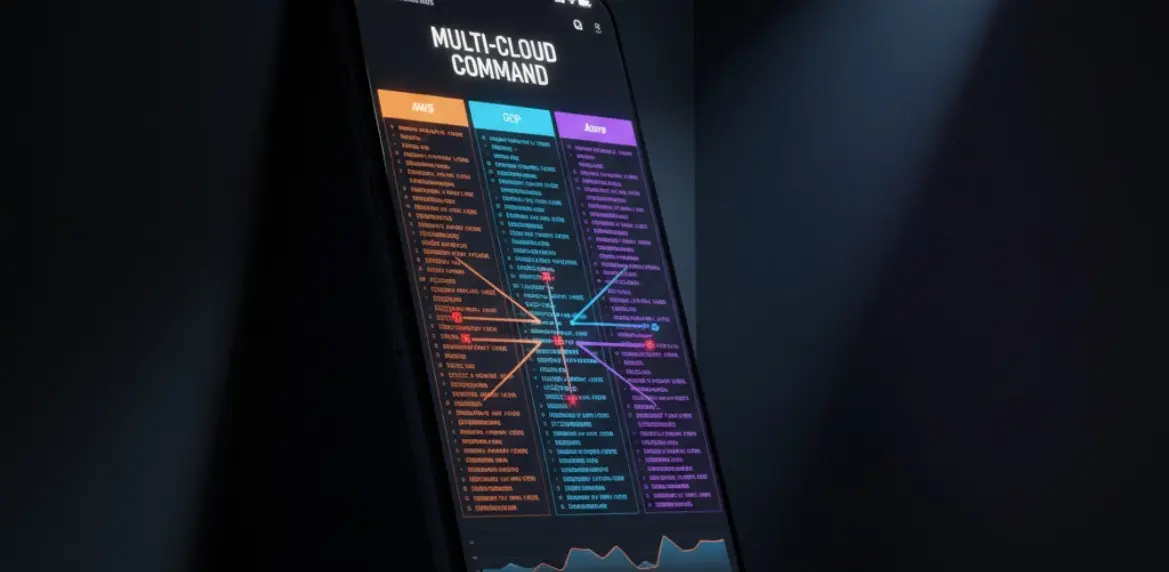
3 clouds, three separate security teams, zero coordination. AWS had no idea what was happening in GCP.Azure was its own island. Attackers were having a field day moving laterally across environments while each team only saw their piece of the puzzle. I've seen attackers compromise an AWS role, pivot to GCP through shared service accounts, and exfiltrate data via Azure storage—all while three different monitoring systems sat there collecting logs that never talked to each other. We needed one place where everything came together. I architected a unified SIEM using Chronicle that pulled in CloudTrail, Cloud Logging, and Azure Monitor. The challenge wasn't just volume—2TB of logs daily—it was normalizing completely different data formats into something we could actually correlate. I wrote detection rules specifically for cross-cloud attacks. Things like privilege escalation chains that start in one cloud and finish in another. Credential stuffing attempts that probe all three environments looking for shared passwords. Data exfiltration patterns that use one cloud for staging and another for the actual transfer. The automated response piece was critical. When we detected something, SOAR playbooks would simultaneously revoke credentials across all three clouds, isolate affected resources, and kick off forensics. What used to take the team eight hours of coordination calls now happened in under an hour. We caught three active breach campaigns in the first month that had been running undetected for over six months. Turns out when you can actually see everything, security gets a lot easier.
Client
Fortune 500 Tech Company
Deliverables
Centralized visibility
Cross-cloud correlation
Unified response
Attack detection
Year
2025
Role
Sr. Cloud Security Engineer